Burkina Faso News

Science serving lives: Interview with Dr. Alice Guingané, public health researcher (...

Ouagadougou - On World Health Day 2026, under the theme “Together for health. Stand with science,” the World Health Organization (WHO) highlights individuals using science to improve lives in the African Region.

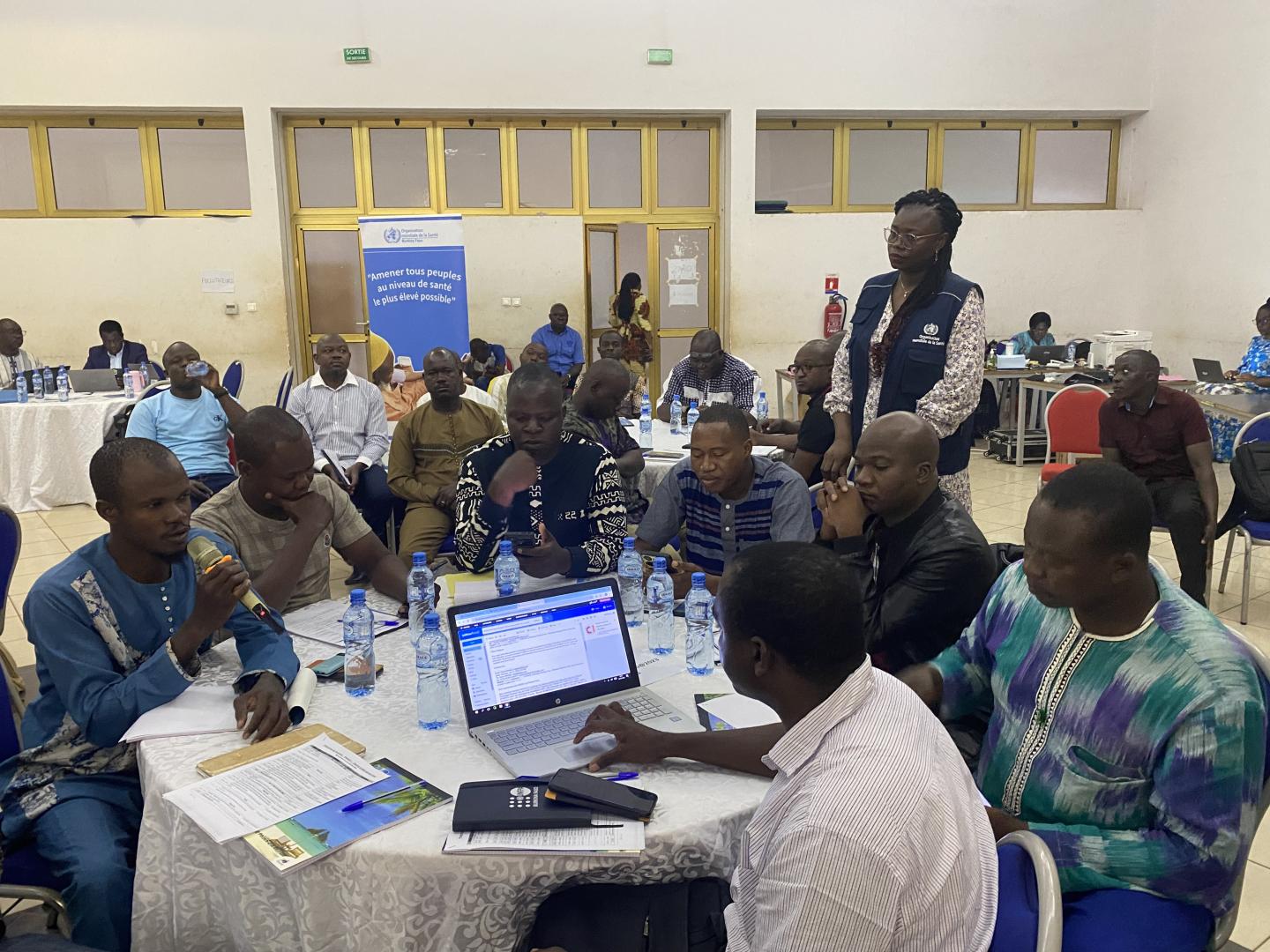
Dr Alice Guingané, a hepato-gastroenterologist and lecturer-researcher at Joseph Ki-Zerbo University in Ouagadougou, is actively engaged in clinical research and disease surveillance. She emphasises that supporting science saves lives.

Fighting HIV in Burkina Faso: From fear to hope

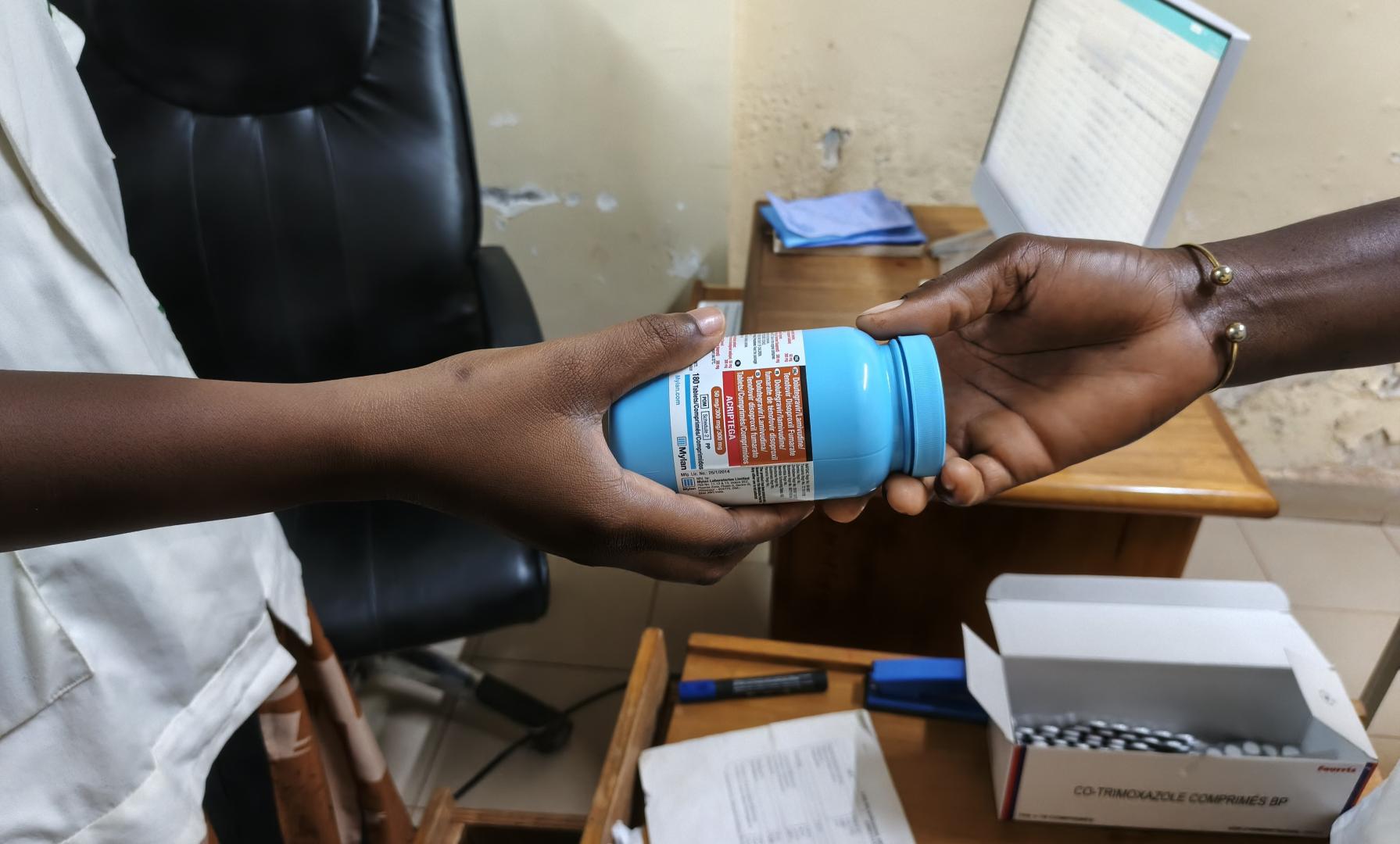
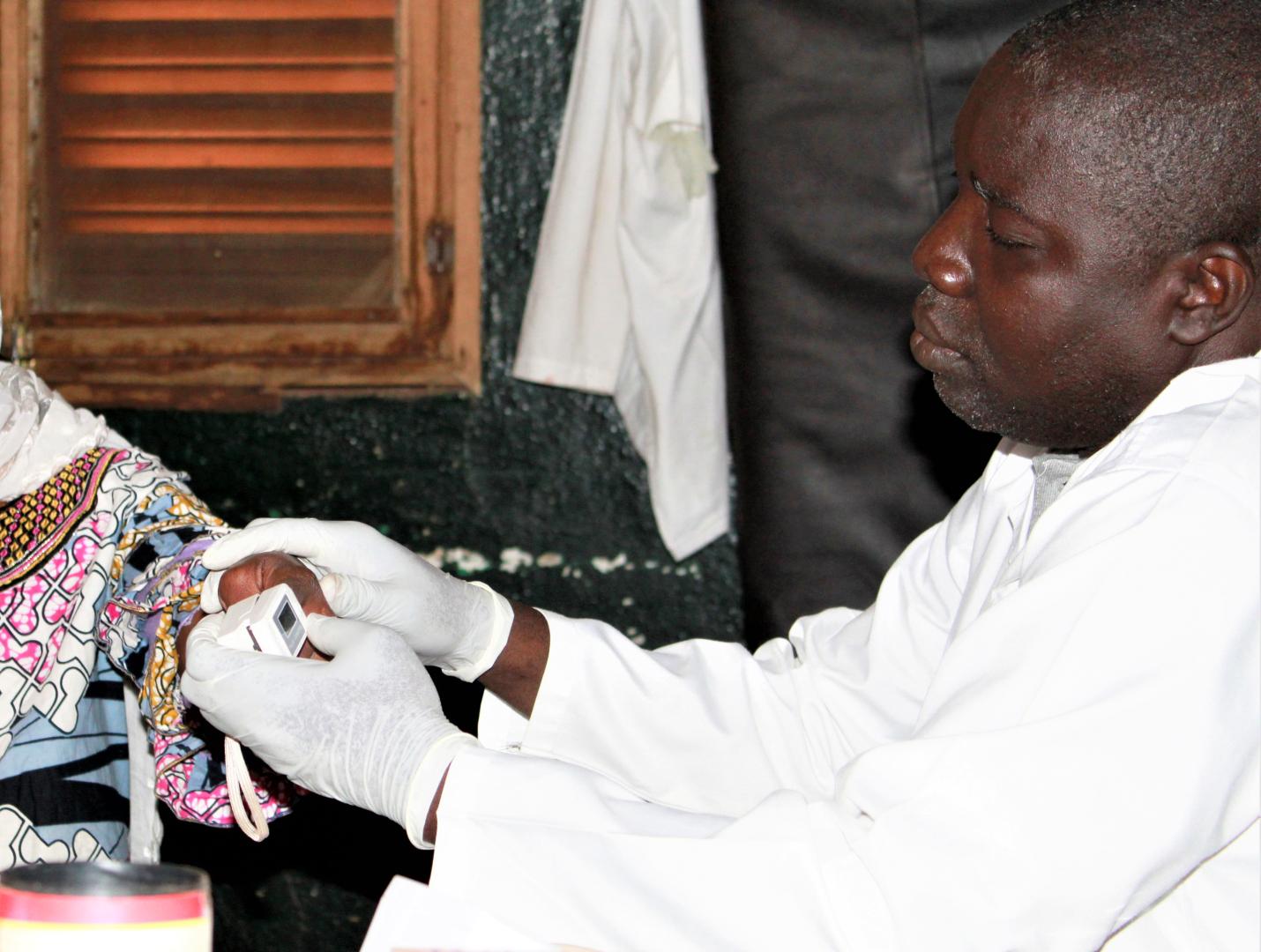
Ouagadougou “When I found out I was HIV-positive, I thought my life was over. I wanted to die. But today, I’m in great shape. I run my business and live a normal life,” says Alimata, a trader in Dori who has been on antiretroviral (ARV) treatment since 2007. Her calm gaze reflects the challenges she has overcome.

Improving access to maternal health care in Burkina Faso

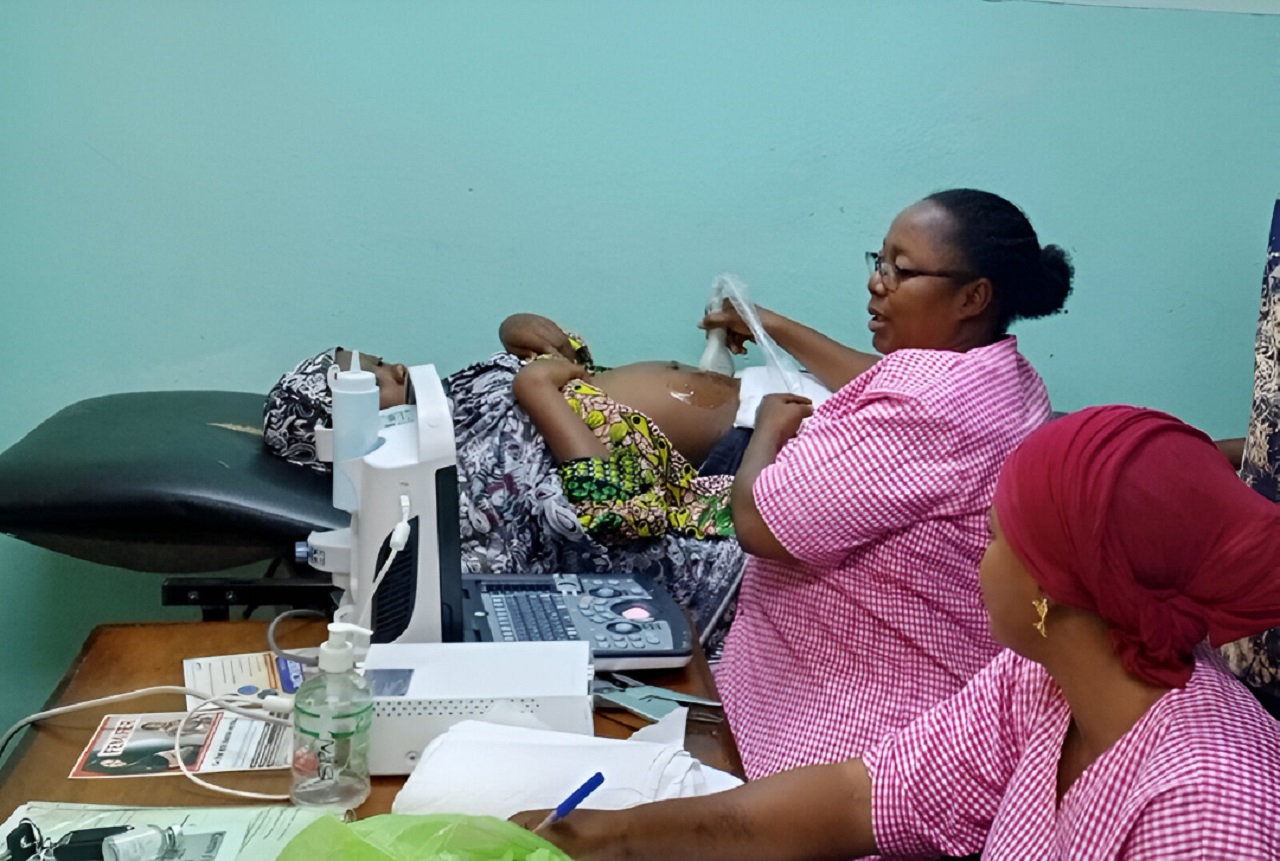
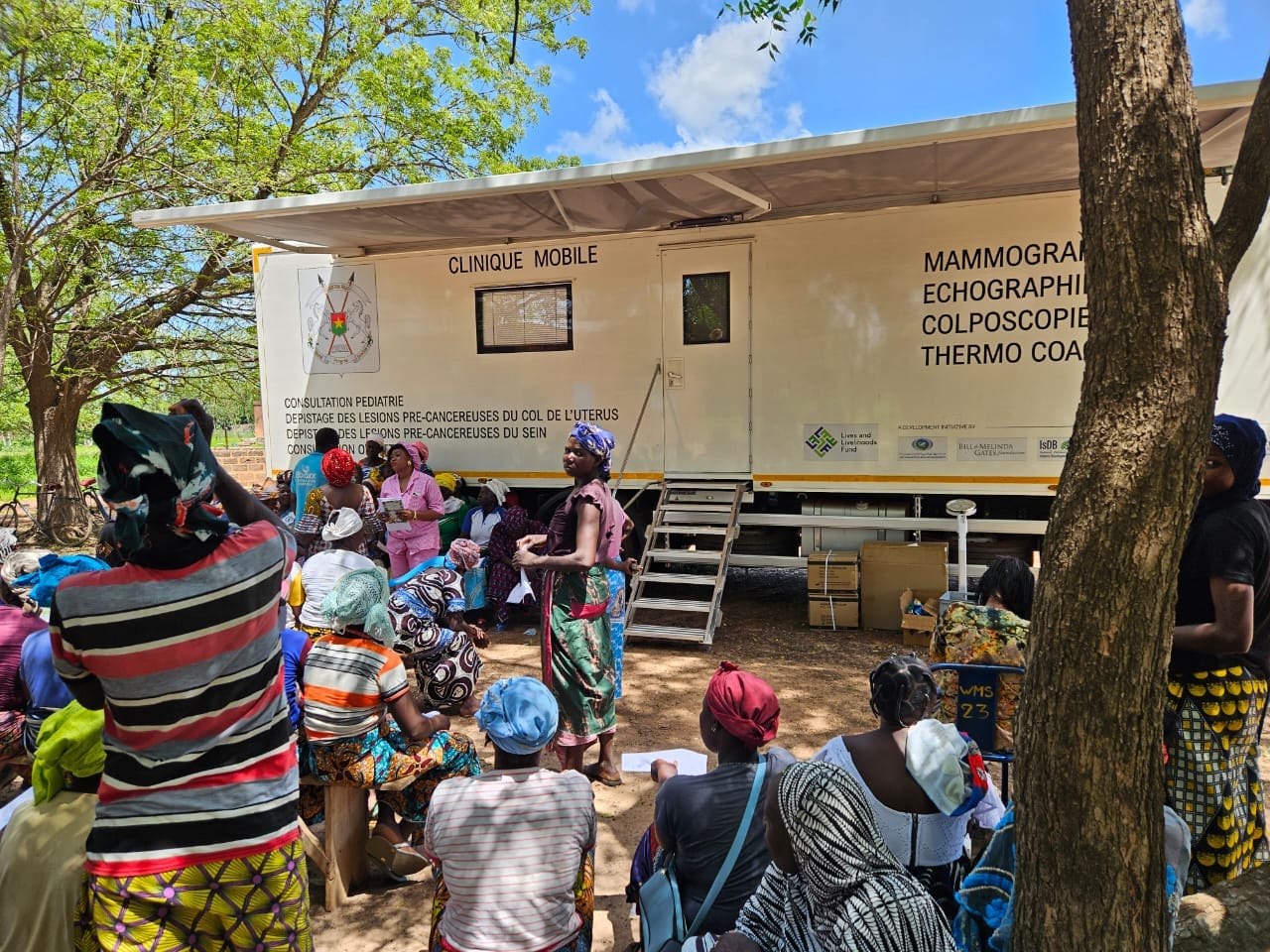
Ouagadougou – "During my first pregnancy three years ago, I had to travel 45 km just to have get an ultrasound. I had to pay for transport, wait for an appointment and sometimes even go to a private clinic and pay 10 000 CFA francs. Between the cost of transport and the time lost, a lot of women gave up," says Kindo, a mother of two. "Now that we can have an ultrasound here in Tiériba, free of charge, and on the same day as the consultation, it's a real relief.”

Sister Marie Blanche Kambire: serving the most vulnerable

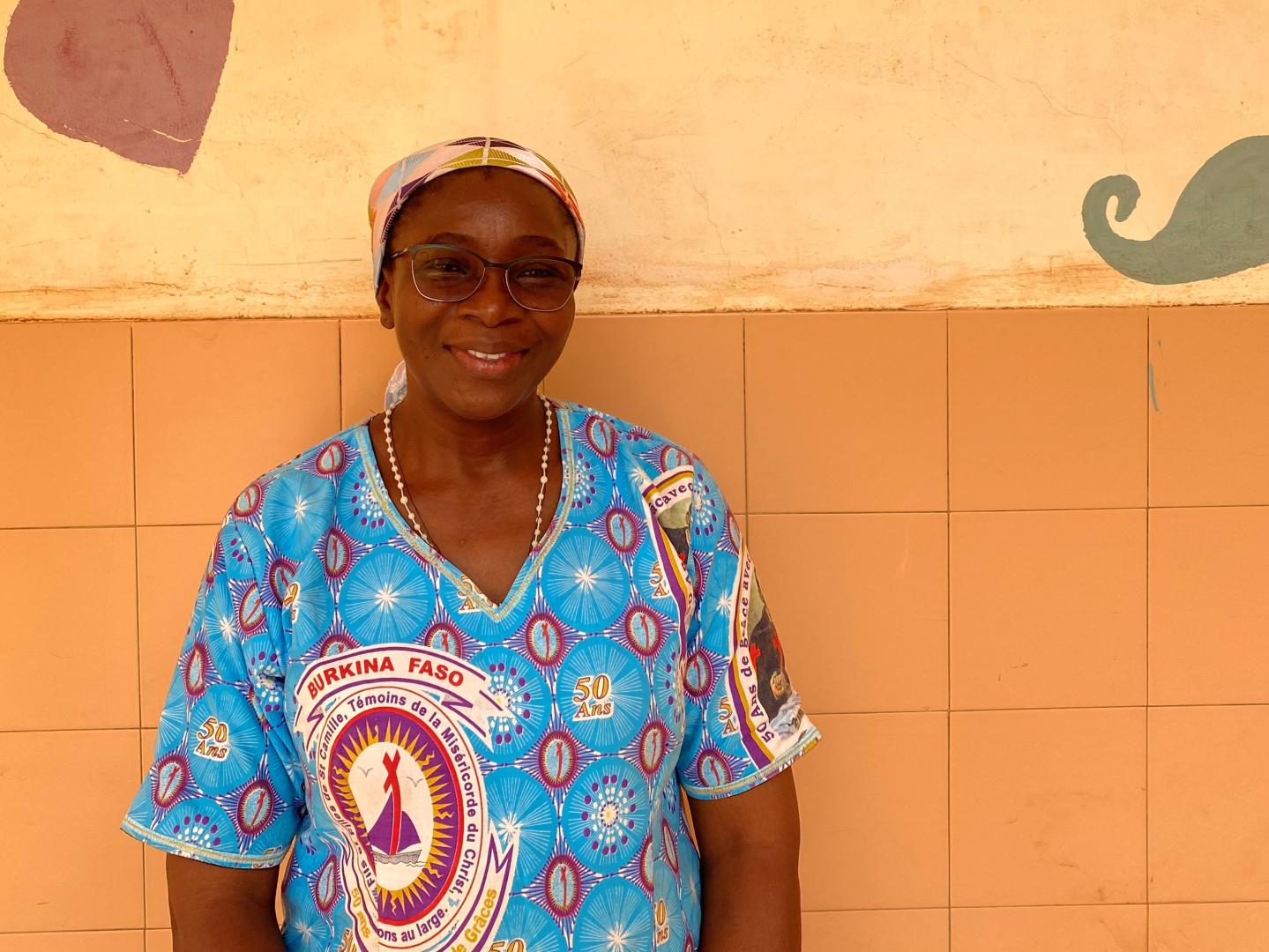
Nanoro, Burkina Faso – Sister Marie Blanche Kambire has more than 20 years of experience as a nurse. She lives in Nanoro, a rural area 85 kilometres west of Ouagadougou, Burkina Faso’s capital. A Catholic nun, she has dedicated her life to serving others, particularly the children she has been caring for over the past 12 years at the Nanoro Medical Centre, where she heads the paediatric unit.

Unconditional commitment 

Broadening access to hypertension care in Burkina Faso

Ouagadougou – Domdasse Adama could barely walk, with his left side paralysed and reliant on a cane. “But thanks to the support and treatment I received for hypertension, I can now walk on my own, and even ride a bicycle for several kilometres," he says.

Adama's journey to recovery from impaired mobility due to hypertension was far from easy. In the bustling town of Gana in central Burkina Faso, where medical resources were limited, his struggle to receive timely and effective care was a common challenge. 

Self-injectable contraception successes

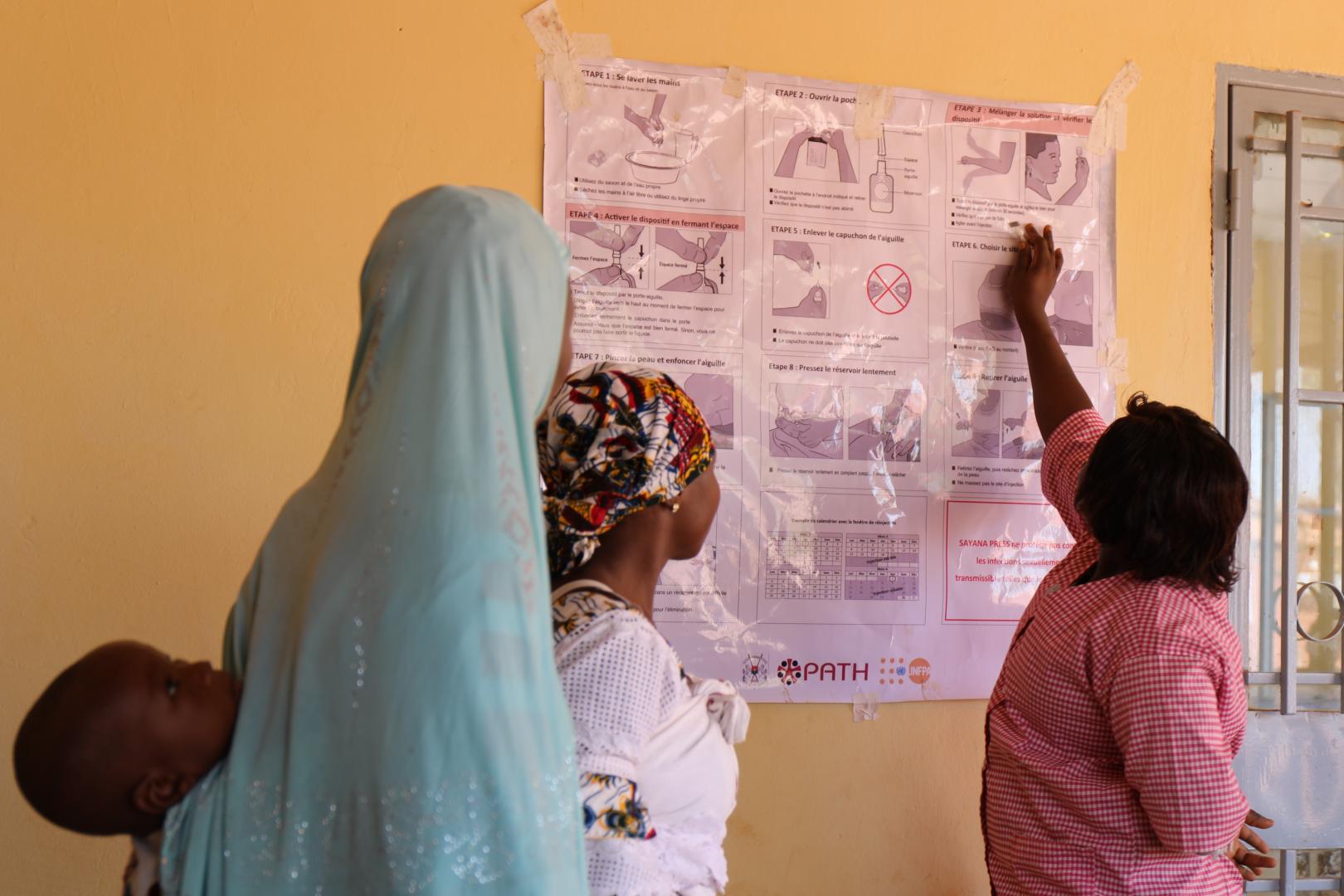
"My husband was against contraceptive," recalls Aïssa*. She recently gave birth to triplets. She has four older children, the youngest barely two years old. "Since the triplets, the financial burden has grown so much that it's been easier to persuade him," she adds.

Smoking ban delivers fresh air to Burkina Faso cinemas

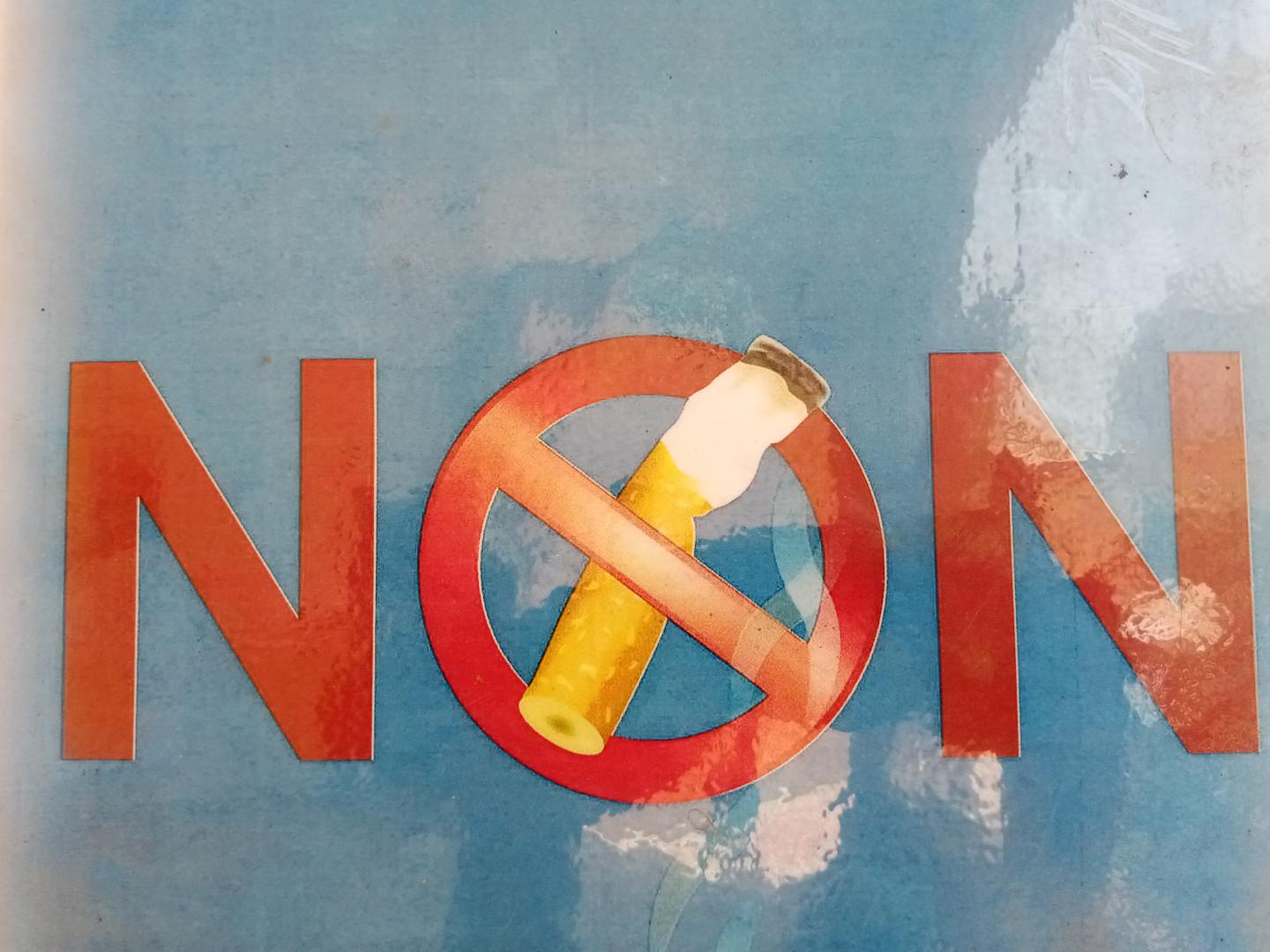
Ouagadougou – Pierre Ouedraogo, who has worked at the Neerwaya cinema in the capital Ouagadougou for some 30 years, never tires of extolling the benefits of the ban on smoking in public places. Now his establishment offers a healthier environment for everyone, especially those with respiratory conditions, allergies or smoke sensitivity.

The ban on smoking in public places and on public transport, which has been in force for over 10 years, has made a big difference, he says.
In Burkina Faso, the "threat not perceived by communities" of antimicrobial resistan...

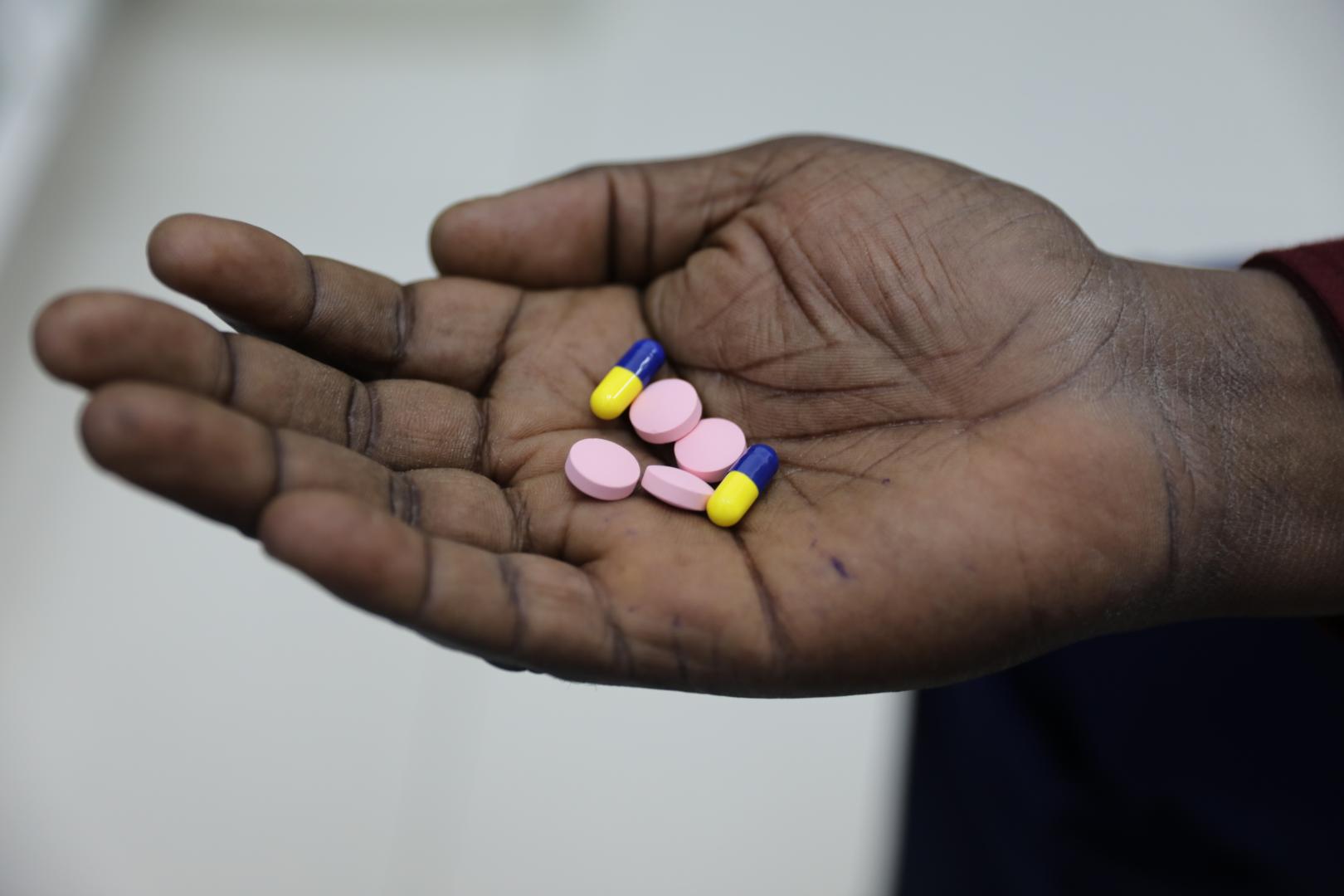
In Burkina Faso, the Observatory for Quality and Safety of Care, a non-governmental organisation, has set itself the objective of monitoring threats to safety of care, including the problem of antimicrobial resistance (AMR). Through its approaches based on advocacy, communication and awareness, the organisation tries to stimulate the consciousness of decision makers and communities. Dr Zakaria Gansane, epidemiologist and President of the Observatory, tells us why AMR is a serious public health problem.